

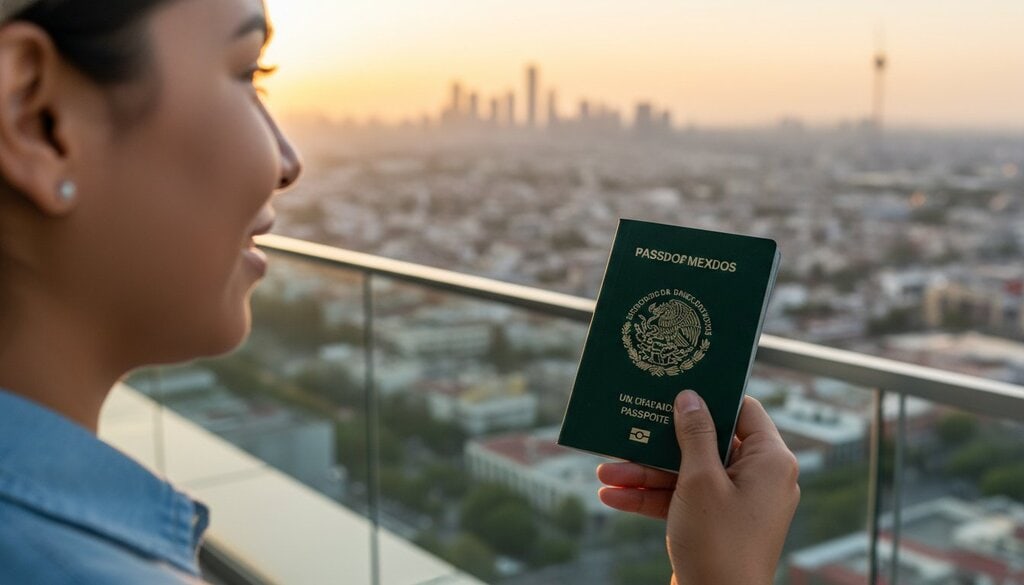
Does the thought of making your life in Mexico permanent feel both exciting and completely overwhelming? If you’re tangled in a web of confusing government websites, deciphering legal requirements, and wondering exactly how to become a Mexican citizen, you are not alone. The journey can seem daunting, filled with questions about your eligibility, the long bureaucratic process, and those infamous language and culture tests. It’s enough to make anyone pause on their dream.
But it doesn’t have to be that way. We created this guide to transform that confusion into confidence. We are here to walk you through every pathway, from gaining residency to the final steps of naturalization, breaking down the entire process into a clear, manageable roadmap. You’ll get a realistic look at the costs and timeline involved, feel prepared to start your application, and know precisely when expert help can make all the difference. Your dream of holding a Mexican passport is within reach, and this guide is your first step.
Understanding the Main Pathways to Mexican Citizenship
Dreaming of holding a Mexican passport? The journey is an exciting one, but it’s not a one-size-fits-all process. The path you take depends entirely on your personal circumstances, and understanding your options is the first step toward success. For most expats, the answer to how to become a Mexican citizen is through a process called naturalization after living in the country for several years. However, others may find a much faster route through family ties or marriage.
Each pathway has unique requirements, timelines, and paperwork. Don’t worry-we’re here to demystify the options and help you identify the right one for your situation, making your dream of moving abroad that much easier.
Pathway 1: Citizenship by Naturalization
This is the most common route for foreign residents who have made Mexico their home. It requires you to have lived in Mexico as a legal temporary or permanent resident for a specific period, typically five consecutive years. More than just a waiting game, this process is about demonstrating your connection to the country. You’ll need to prove you are integrating into Mexican society by passing exams on the Spanish language, Mexican history, and culture.
Pathway 2: Citizenship by Descent
Do you have a Mexican parent? If you were born abroad to at least one parent who is a Mexican citizen by birth or naturalization, you may already be entitled to Mexican nationality. This process is generally much faster and simpler than naturalization because it establishes your inherent right to citizenship. The foundational principles are outlined in the Mexican nationality law, which recognizes your claim through bloodline (jus sanguinis). This is a fantastic opportunity to formalize your connection to your heritage.
Pathway 3: Special Cases (Marriage or Latin American Origin)
Certain situations can significantly speed up your timeline. If you marry a Mexican citizen, the standard five-year residency requirement for naturalization is often reduced to just two years. A similar fast-track is available for citizens from Spain or any other Latin American country. While this shortens the waiting period, remember that you must still meet all other naturalization requirements, including successfully passing the language and culture exams.
The Road to Naturalization: From Residency to Citizenship
Thinking about becoming a Mexican citizen is an exciting dream, but it’s important to understand that citizenship isn’t the first step-it’s the final destination of a well-defined journey. The entire process is designed to ensure you are committed to making Mexico your home. It all begins with securing legal residency.
This path from resident to citizen follows a clear timeline. By understanding these stages, you can confidently plan your move and turn your aspiration into a reality. Let’s break down the three key steps on your road to naturalization.
Step 1: Securing Temporary Residency (Residente Temporal)
Your journey almost always starts with a Temporary Resident visa (Residente Temporal). Think of this as your initial entry point for living in Mexico long-term. This visa is typically granted for one year and can be renewed for up to a total of four years. To qualify, you’ll generally need to prove financial solvency or demonstrate family ties to a Mexican citizen or resident. A crucial point to remember: you must begin this application process at a Mexican consulate outside of Mexico.
Step 2: Achieving Permanent Residency (Residente Permanente)
After successfully maintaining your temporary residency for four consecutive years, you can apply to convert it to Permanent Resident status (Residente Permanente). This is a major milestone! Permanent residency grants you the right to live and work in Mexico indefinitely, without needing to renew your status. It is a mandatory step before you can even consider applying for citizenship. While some people, like certain retirees, may qualify directly for permanent residency, the four-year temporary path is the most common route.
Step 3: Fulfilling the Residency Requirement for Citizenship
Once you are a legal resident, the clock starts ticking toward your citizenship eligibility. The standard requirement for naturalization is to have lived in Mexico for five continuous years with a valid temporary or permanent residency card. This five-year commitment is a core part of how to become a Mexican citizen, as it demonstrates your integration and dedication. This period can be shortened to just two years if you meet special criteria, such as being married to a Mexican national.
During this time, you must maintain your residency, and only limited absences from the country are permitted. The specific rules and application forms are managed by the Mexican Secretariat of Foreign Affairs (SRE), so it’s wise to consult their official guidelines to ensure you remain compliant.
The Naturalization Application: A Step-by-Step Checklist
Congratulations! You’ve patiently met the residency requirements, and now the most exciting part of your journey begins. The formal application process is the final major step in learning how to become a Mexican citizen. This stage is managed by Mexico’s Secretariat of Foreign Affairs (Secretaría de Relaciones Exteriores, or SRE) and involves submitting a detailed application with a host of supporting documents. Success here is all about careful preparation and attention to detail. Let’s break down exactly what you need to do.
Gathering Your Essential Documents
Think of this as creating the master file for your new life in Mexico. Before you can even book an appointment, you’ll need to have every document perfectly in order. While requirements can vary slightly, your core checklist will include:
- Your valid Temporary or Permanent Resident card.
- Your current, valid passport from your country of origin.
- The completed official naturalization application form, known as the DNN-3.
- Proof of your time spent in Mexico, such as a record of your entries and exits (constancia de entradas y salidas) from the National Immigration Institute (INM).
- If applying based on marriage to a Mexican national or descent from a Mexican parent, you will need their official Mexican birth certificate and, if applicable, your marriage certificate.
Passing the Citizenship Tests
Once your documents are accepted, you’ll need to demonstrate your connection to your new home. This involves two key tests:
- A Spanish Language Test: This assesses your ability to read, write, and hold a basic conversation in Spanish.
- A Culture and History Test: This exam covers fundamental aspects of Mexican history, culture, and civics. This isn’t just trivia; it’s about showing your integration into Mexican society and understanding the responsibilities outlined in the Mexican Nationality Law.
Don’t worry-the SRE provides official study guides to help you prepare. It’s also important to note that applicants over the age of 60 are typically exempt from these examinations.
Submitting Your Application and Next Steps
With your documents gathered and your study sessions complete, it’s time to take action. You will need to schedule an appointment to file your application in person at a designated SRE office. At this appointment, you will submit your entire package and pay the required government application fee. After you successfully pass your exams, the final step is waiting for the official decision. This part of the process can take several months to over a year, so patience is absolutely essential. While the path is clear, ensuring every detail is perfect can feel overwhelming. Expert guidance can make all the difference on your journey to becoming a Mexican citizen. To explore your options, see how we can help at wherecani.live.
Key Considerations: Costs, Dual Nationality, and Getting Help
As you move closer to your goal, it’s time to look beyond the required documents. Thinking about the practical details-like budgeting for fees, the status of your current passport, and knowing when to ask for help-will ensure your path to citizenship is as smooth and stress-free as possible. Let’s break down these key considerations.
Costs and Fees for Mexican Citizenship
Budgeting accurately is a crucial step in your planning. While government fees can change, having a clear financial picture prevents last-minute surprises. The main cost is the naturalization application fee paid to the Secretaría de Relaciones Exteriores (SRE), which you should always verify on their official website for the most current amount. Beyond that, be sure to account for:
- Document Services: Costs for official translations and apostilles for your foreign documents, such as your birth certificate.
- Administrative Expenses: Smaller fees for passport-style photos, photocopies, and any travel required for appointments.
- Legal Assistance: If you choose to hire an expert, their professional fees will be a separate and additional investment in a smooth process.
Dual Nationality: Can You Keep Your Original Passport?
This is one of the most common questions we hear, and the answer is a reassuring yes. Mexico fully recognizes and permits dual nationality for naturalized citizens. You will not be asked to renounce your original citizenship to become Mexican. The United States and many other countries also permit their citizens to hold Mexican nationality simultaneously. The one critical rule to remember: once you are a citizen, you must enter and leave Mexico using your Mexican passport or official Mexican ID.
When to Hire an Immigration Expert
The journey of how to become a Mexican citizen is exciting, but the bureaucracy can feel overwhelming, especially with a potential language barrier. An experienced immigration expert can be your most valuable asset. They ensure your application is filled out correctly and completely, help you avoid common pitfalls that cause delays or rejections, and provide peace of mind. If you want to transform a potentially stressful process into a clear, manageable one, professional guidance is the best way forward. Ready to get it right the first time? Connect with a vetted immigration partner for a consultation.
Embrace Your Future as a Mexican Citizen
The path to calling Mexico home is a rewarding adventure. As this guide shows, understanding how to become a mexican citizen is about choosing the right pathway for your situation-whether through years of residency or family connections-and meticulously preparing your application. Each document filed and requirement met is a significant step toward integrating fully into the country’s rich culture and community.
Feeling overwhelmed by the details? That’s completely normal, and you don’t have to navigate it alone. Our guides are written by expats with real-world experience because we believe in empowering your journey. For hands-on help, get personalized guidance from a trusted immigration expert. We connect you with our exclusive network of vetted, reliable professionals who can ensure your application is seamless. Start your journey with confidence and the expert support you deserve. Your new life in Mexico is waiting!
Frequently Asked Questions About Becoming a Mexican Citizen
How long does it take to get Mexican citizenship through naturalization?
The timeline varies, but you can generally expect the process to take around five to six years from when you first gain residency. Most applicants must have five years of legal temporary or permanent residency before they can apply. Once you submit your naturalization application, the processing time by the Secretariat of Foreign Relations (SRE) typically takes between six months to over a year. It’s a journey of patience, but one with a fantastic reward at the end.
How difficult are the Mexican citizenship language and culture tests?
While they require preparation, the tests are designed to be manageable. The Spanish language exam assesses your ability to read, write, and hold a basic conversation. The culture and history test consists of multiple-choice questions about key figures, dates, and civic knowledge. Many resources and study guides are available online to help you prepare. With dedicated study, most applicants find they can pass successfully. Don’t let the tests discourage you from your goal!
Can I apply for Mexican citizenship from my home country?
No, you must apply for naturalization from within Mexico. The process requires you to have established legal residency in the country for a specific period first, typically five years. All application paperwork must be submitted in person at a Secretariat of Foreign Relations (SRE) office in Mexico. Likewise, the required language and culture exams, as well as any interviews, must also be completed within Mexico. This is a key step in demonstrating your commitment to the country.
What are the main benefits of having a Mexican passport?
A Mexican passport is one of the most powerful in Latin America, offering visa-free or visa-on-arrival access to over 160 countries, including the European Schengen Area, the UK, and Japan. As a citizen, you gain the right to vote in Mexican elections, own property anywhere in the country without needing a bank trust (fideicomiso), and can work or start a business with fewer restrictions. It provides a powerful sense of security and belonging.
What happens if my citizenship application is denied?
Receiving a denial can be disheartening, but it is often not the end of the road. The SRE will provide a reason for the decision, which could be anything from a failed test to incomplete documentation. You can address the specific issue and reapply. If your case is complex, consulting with one of our vetted immigration lawyers can help you build a stronger application and navigate the next steps in your journey of how to become a Mexican citizen.
Do I have to pay taxes in Mexico as a dual citizen?
Your tax obligations are determined by your tax residency status, not your citizenship. If you live in Mexico for more than 183 days in a calendar year, you are generally considered a tax resident and are required to pay taxes on your worldwide income. Mexico has tax treaties with many countries to prevent double taxation, but it’s essential to consult with a tax professional to understand your specific obligations in both countries.
Is it easier to get citizenship if I buy property in Mexico?
Buying property in Mexico does not directly fast-track or simplify the citizenship process. You must still meet all the standard legal residency requirements and pass the necessary exams. However, owning property can be very beneficial when applying for your initial temporary or permanent residency visa, as it demonstrates strong economic ties to the country. This makes it a helpful, but indirect, part of your long-term plan to secure citizenship.